



You just hit publish. The graphic is sharp. The caption? Probably the best thing you’ve written all month. You’re watching the numbers start to crawl up a few likes, a retweet, maybe a share. And then, it happens. The first real comment.
A potential client asks a genuine, thoughtful question about how you actually do the work.
And you do… nothing.
Seriously. You’ve already closed the tab. You’re already scrolling through something else or, worse, you’re already stressing about what you’re going to post tomorrow morning. You feel like the “work” is done because the post is live.
It isn’t. Not even close.
We’re living in an era where “post and ghost” is the fastest way to kill a brand. We call it the Silence Tax. It’s this invisible, brutal penalty the algorithm hits you with the second you treat your community like a one-way mirror.
If you aren’t talking back, you’re telling the platform and your audience to go away.
Here’s the thing: Content is just the invitation. The comment section? That’s the actual sales floor. If you ignore the comments, you’re basically burning your warmest leads right in front of everyone.
The “Party Host” Test
Imagine you throw a massive house party. You spend a fortune on the food. You curate the playlist for ten hours. You send out these beautiful, hand-written invites.
People actually show up! They walk through your front door, look you in the eye, and say, “Wow, this place looks incredible! I love what you’ve done with the lighting.”
Now, imagine you just… stare at them.
You don’t blink. You don’t say “thanks for coming.” You just turn around and walk into the kitchen to start planning your next party.
That is exactly what you look like when you don’t reply to a comment.
The algorithm whether it’s LinkedIn’s “dwell time” or the mess that is X right now as the host of that party. It isn’t just looking at how loud you’re shouting. It’s looking at how many people stay in the room to chat. When you don’t reply, you’re signaling that the conversation is dead.
And once the conversation dies, the algorithm kills the reach. It moves on to find a host who actually knows how to talk to people.
The “Reply Gap” is Where Trust Goes to Die
We’ve all seen it. Some “Thought Leader” drops a beautiful carousel about “Customer-Centric Growth.” It’s poetic. It’s inspiring. But right underneath it, there are five unanswered questions from real humans asking about pricing, or a broken link, or a specific detail they didn’t understand.
That’s “digital ghosting“.
We’ve all developed a sixth sense for this. We can smell a “set it and forget it” content strategy from a mile away. When a brand ignores a comment, it feels like a tiny, public rejection. Do that a hundred times, and you’ve built a reputation for being a faceless corporate broadcast. Not a person.
But there’s a deeper level here. The comment section is actually your most effective sales tool. Someone who comments isn’t just a “viewer” anymore. They’ve moved. They are now an “engaged lead.” If you reply to them within minutes, you catch them while they’re actually thinking about you.
If you wait 24 hours? They’ve already scrolled past 500 other things. The spark is gone. You missed the window.
The Myth of the “Busy Founder”
We hear it every day. “I’m a founder. I’m an executive. I don’t have time to sit on social media all day replying to emojis.”
Look, we get it. Notification burnout is real. The mental toll of switching from “Deep Work” like building a product or managing a team to “Social Mode” is exhausting. It’s a different part of the brain. You want to be fast, you want to be witty, but you also have a business to run.
But here’s the reality: You can’t scale a community if you are the bottleneck. If every single reply has to come from your tired, caffeinated brain at 10:00 PM after a 12-hour day, you’re going to fail. You’ll start giving those one-word, robotic answers like “Thanks!” or “Great point!”
Those generic replies are almost worse than silence. People can tell when you’re just “ticking a box.” They want to see a sign of life. They want to know you actually read what they wrote.

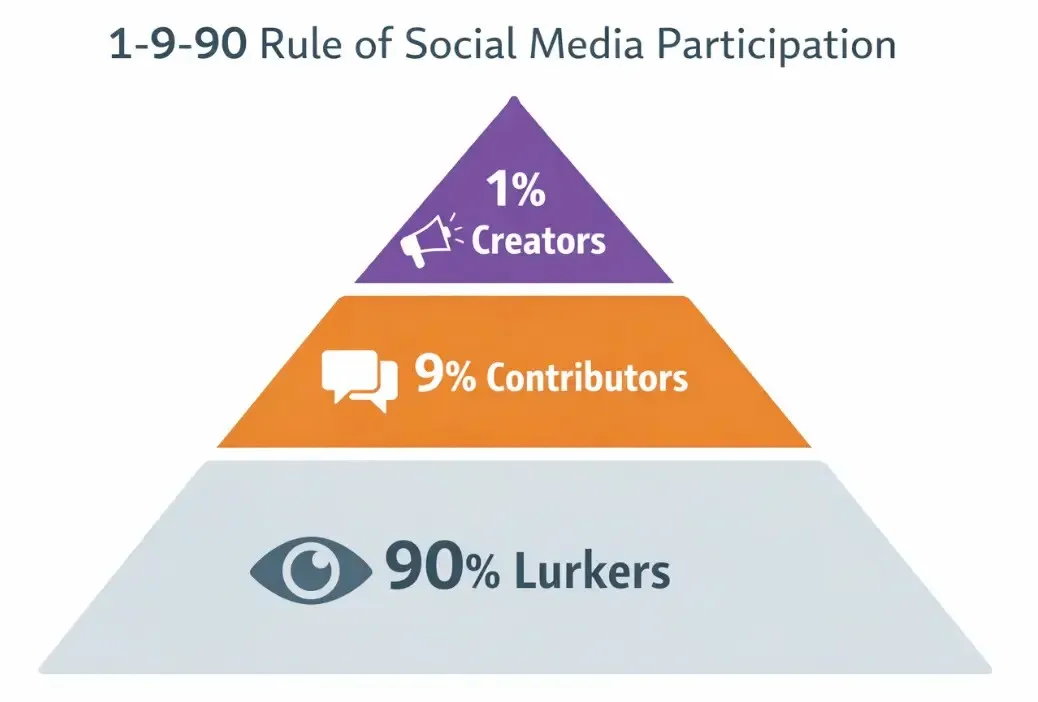
You’re Performing for the “Lurkers”
Here is a secret most people forget: You aren’t just replying to the person who commented.
You’re replying for the 90% of people who are lurking.
Most people on social media never post. They never even comment. They just scroll and read. But those “lurkers” are watching how you treat the people who did speak up. If they see you being helpful, having a laugh, or answering a tough question with some grace, they start to trust you.
Your comment section is a public stage. Every reply is a tiny demonstration of your brand’s personality. If a lurker sees you engaging and being a real person, they are ten times more likely to follow you or eventually buy from you. You’re building a library of trust, one reply at a time.
The 2026 Framework: Scaling Without Going Insane

The winners this year aren’t the ones with the biggest marketing budgets; they’re the ones who have mastered Response Velocity. They’ve figured out how to be fast without sounding like a customer support manual from 1995.
If you want to stop paying the Silence Tax, you need a system. Here is how you actually do it:
1. Kill the Generic “Thanks!”
If someone took thirty seconds to write something thoughtful, don’t give them a two-second answer. It feels fake. If they shared a story, acknowledge it. If they asked a question, answer it and then ask them a question back. The goal isn’t to “finish” the conversation; it’s to keep the thread alive.
A thread that goes four or five levels deep is pure algorithmic gold.
2. The “Golden Hour” Rule
The first sixty minutes after you post are the most important. The algorithm is “testing” your content during this window. If you reply to every comment immediately in that first hour, you create a feedback loop.
Your reply triggers a notification -> the user comes back to the app -> the app sees the user stayed longer because of you -> the app shows your post to more people. It’s a virtuous cycle.
3. Move the Conversation to the DMs
If a comment is high-value, don’t just reply in public. Reply publicly so everyone sees you’re active, but then send a private message. Say, “Hey, really loved your point on [X]. I’d love to hear more about how you’re handling that.” No sales pitch. Just a conversation.
That is how you turn a “Like” into a real relationship.
4. The Hybrid Workflow
This is the big one. You don’t have to do it all manually, but you can’t leave it all to a bot. The best workflow is “Hybrid.”
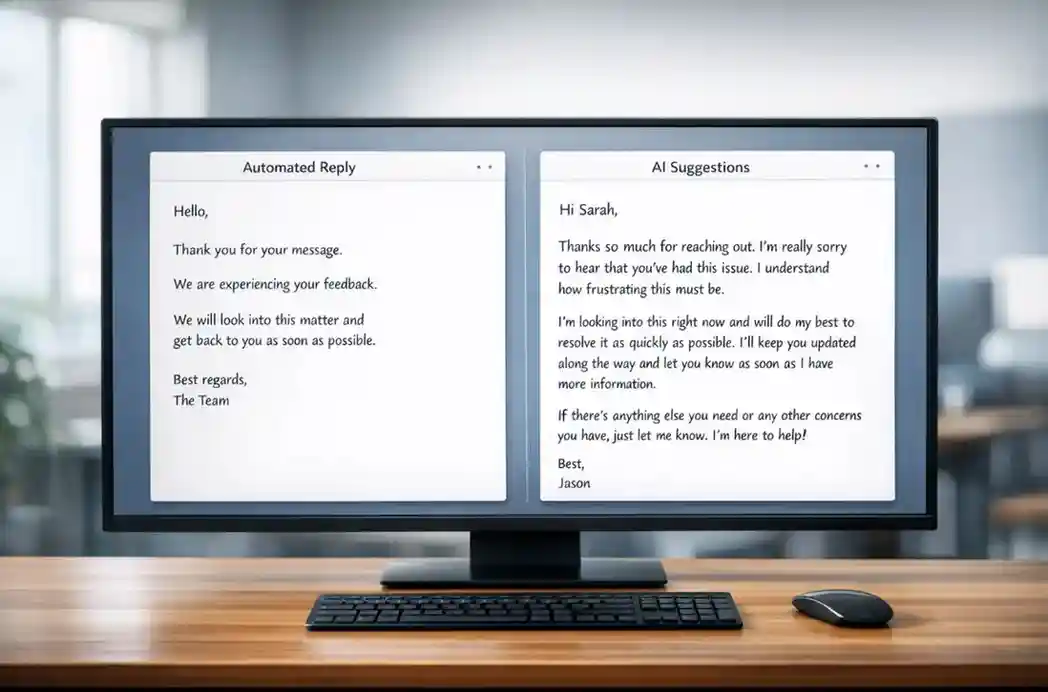
You use tools to help you draft responses based on your brand voice and the context of the comment. This handles the “blank page” problem where your brain is too tired to think of a witty reply so you just don’t do it.
You use a tool to give you a head start, then you add that final 10% of “human” flavor to a joke, a specific reference, or a bit of brand-specific wit. This gives you the speed of a machine with the soul of a person. It’s the only way to scale without burning out.

The Bottom Line
We spend so much time obsessed with the “Creative”, the video edits, the hooks, the perfect lighting. But the most valuable real estate on any social platform is the three inches of screen space right below your post.
That is where the actual money is made. That is where objections are handled. That is where you prove you aren’t just another voice shouting into the void.
In an age where everyone is using AI to blast out generic content, the only thing that isn’t a commodity is human connection. Your ability to actually talk back is your only real unfair advantage. It’s the only thing the “big guys” can’t do at scale without looking fake.
Stop treating your audience like a metric. Start treating them like a room full of people waiting for a conversation.
Don’t just post. Stay for the chat. Your reach and your sanity will thank you for it.
Author
Diya Kaneriya, social media account manager and content marketing specialist with 3 years of experience helping brands turn silent audiences into active communities. Managing social accounts for SaaS startups, e-commerce brands, and B2B companies. Runs social and content marketing at INNEW while managing SNAPWIT’s presence across all platforms.