
In today’s digital-first world, programming languages power every software application, website, and digital platform we use.
They form the backbone of modern technology, enabling developers to build everything from mobile apps and web solutions to enterprise software and AI-driven applications.
While users often focus on design, speed, and user experience, the true performance and reliability of any digital product depend on the quality of the code behind it.
One of the most important aspects of programming languages is their continuous evolution.
Established languages are constantly enhanced with new frameworks, libraries, and performance improvements, while emerging languages are designed to tackle modern development challenges such as scalability, cloud computing, cybersecurity, automation, and artificial intelligence.
This ongoing innovation keeps the software development ecosystem dynamic and ensures that businesses and developers can create faster, safer, and more scalable digital solutions for the future.
Why Programming Languages Keep Evolving
Programming languages continue to evolve because the digital ecosystem they support is constantly advancing.
As software development expands into areas such as cloud computing, artificial intelligence, big data, and global-scale web applications, developers need languages that can deliver better performance, scalability, and security.
Older tools were not built for today’s computing demands, which is why existing languages are continuously updated and new programming languages are introduced to support modern development requirements.
Productivity is another major driver behind the evolution of programming languages. Today’s development teams prioritize faster release cycles, collaborative workflows, and long-term code maintainability.
Modern languages and frameworks are designed to reduce complexity, automate repetitive tasks, and streamline debugging, allowing developers to build high-quality applications more efficiently.
Features like simplified syntax, automated memory management, and built-in development tools make coding faster, safer, and more accessible to teams of all sizes.
Security has also become a central focus in language design. As cyber threats grow more advanced, programming languages must support secure coding practices by offering stronger type systems, safer default behaviors, and tools that help prevent vulnerabilities before deployment.
Languages that adapt to modern security expectations remain relevant, while those that fail to evolve gradually lose industry adoption.
Finally, programming languages evolve in response to changing industry priorities. Businesses today demand software that is scalable, cross-platform, cloud-ready, and performance-optimized.
Programming languages that align with these priorities gain popularity, while others are refined or replaced. This continuous innovation ensures that developers always have better tools to create reliable, efficient, and future-ready digital solutions.
Based on key factors such as industry popularity, career opportunities, developer demand, technology trends, and open-source ecosystem support, we’ve compiled a list of the top 9 programming languages you should learn in 2026 to stay competitive and future-ready in the rapidly evolving world of software development and computing.
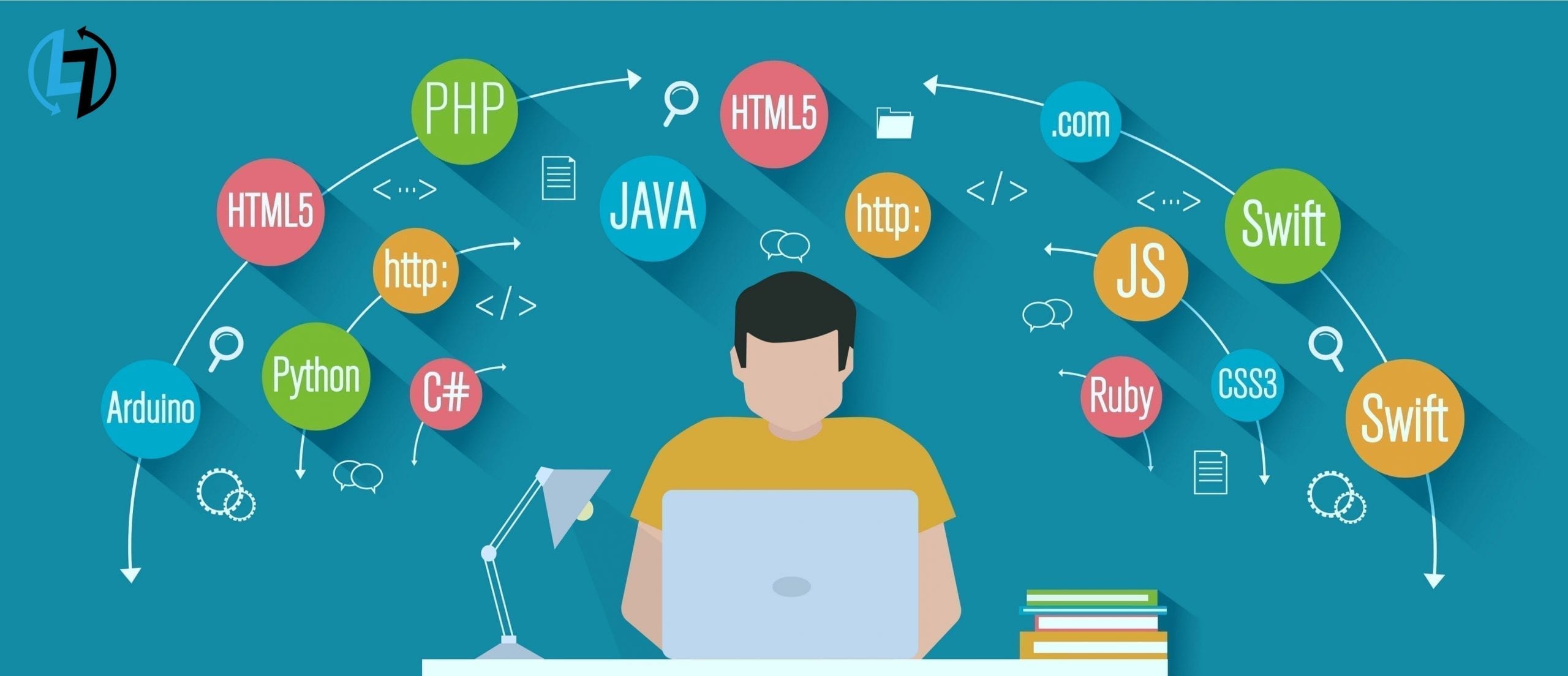
Top 9 Programming Languages to Learn in 2026 and Beyond for Future-Ready Developers
Programming languages continue to shape the future of technology, influencing how software is built, how businesses innovate, and how digital products scale across global markets.
As industries increasingly rely on automation, artificial intelligence, cloud computing, and data-driven solutions, the demand for versatile and high-performance programming skills keeps rising.
The following programming languages stand out in 2026 for their strong industry adoption, career potential, and ability to power next-generation applications, making them essential for developers who want to stay competitive now and in the years ahead.
#1. Java – A Reliable, Scalable Programming Language for Enterprise and Mobile Development
Java remains one of the most widely used programming languages in the world, valued for its stability, scalability, and cross-platform capabilities.
As a powerful open-source language, Java is extensively used to build server-side applications, enterprise software, cloud-based systems, and Android mobile apps.
Its “write once, run anywhere” architecture makes it a preferred choice for developers building applications that must perform consistently across multiple platforms, including web, mobile, and smart devices.
Java has played a significant role in the development of many globally popular mobile games, including Temple Run, Angry Birds, and Candy Crush Saga, demonstrating its capability to support high-performance, user-centric applications.
Beyond gaming, Java is also heavily trusted by government institutions, financial organizations, and Fortune 500 companies because of its strong security features, mature ecosystem, and long-term reliability.
With continuous updates, strong community support, and widespread enterprise adoption, Java continues to be one of the best programming languages to learn in 2026 for developers seeking stable career growth and opportunities in large-scale software development.
#2. Python – The Most Versatile Programming Language for AI, Data Science, and Web Development

Python has rapidly grown into one of the most in-demand programming languages in the world, thanks to its simplicity, versatility, and powerful ecosystem.
As an open-source, high-level programming language, Python is known for its clean syntax and readability, making it one of the easiest languages for beginners to learn while still being powerful enough for advanced software development.
Because of its user-friendly structure and built-in whitespace indentation, Python encourages clean, maintainable code – a key reason it’s widely recommended as a first programming language for students and aspiring developers.
At the same time, its extensive libraries and frameworks make it ideal for professionals working in web development, automation, artificial intelligence, machine learning, scientific computing, and data visualization.
Python’s widespread industry adoption has further accelerated its growth.
Major technology companies such as Google actively use Python in their infrastructure and services, while globally recognized platforms like Instagram, Reddit, and YouTube rely on Python to support scalability, performance, and rapid feature development.
With its dominance in AI, data science, and automation, Python continues to rank among the best programming languages to learn in 2026 for developers seeking flexibility, strong career prospects, and opportunities in future-focused technologies.
#3. PHP – A Proven Server-Side Language Powering Modern Web Development
PHP remains one of the most widely used server-side scripting languages for web development, known for its reliability, flexibility, and strong integration with databases and web servers.
Originally designed specifically for building websites, PHP has evolved into a powerful open-source programming language used to create dynamic websites, web applications, and content management systems.
One of PHP’s biggest strengths is its accessibility. Its relatively simple syntax, extensive documentation, and broad hosting support make it easy for beginners to learn while still offering the depth needed for professional web development.
Because PHP runs seamlessly across platforms and operating systems, it remains a preferred choice for developers building scalable, database-driven web solutions.
PHP’s global adoption is reflected in its massive footprint across the internet. It powers hundreds of millions of websites worldwide and forms the foundation of popular platforms such as WordPress, as well as major web services once heavily built with it like Facebook and Yahoo.
Its continued relevance in web infrastructure, combined with modern frameworks like Laravel, keeps PHP among the best programming languages to learn in 2026 for developers focused on web engineering and backend development.
#4. JavaScript – The Essential Language for Modern Web Development and Interactive Applications
JavaScript is the backbone of modern web development, enabling developers to build dynamic, responsive, and highly interactive user experiences across websites and web applications.
As the primary language of the browser, JavaScript is widely used to create animations, real-time updates, form validations, and interactive interface controls that enhance usability and engagement.
While traditionally known as a front-end programming language, JavaScript has evolved into a full-stack development powerhouse.
With server-side environments like Node.js, developers can now use JavaScript to build scalable backend services, APIs, and real-time applications, allowing teams to work with a single language across the entire development stack.
JavaScript’s massive ecosystem further strengthens its dominance. Popular frameworks and libraries such as React, Angular, and Vue.js enable developers to build fast, modular, and maintainable applications for both web and mobile platforms.
Because of its universal browser support, vast developer community, and critical role in front-end and full-stack engineering, JavaScript remains one of the most important programming languages to learn in 2026 for anyone pursuing a career in web development, product engineering, or interactive digital experiences.
#5. C – The Foundational Programming Language for Systems, Performance, and Embedded Development
C is one of the oldest and most influential programming languages in modern computing, serving as the foundation for many newer languages and technologies.
Widely regarded as the backbone of system programming, C is heavily used to build operating systems, compilers, device drivers, and high-performance applications where speed, efficiency, and low-level hardware control are critical.
Because of its close interaction with system memory and hardware, C remains a preferred choice for embedded systems, real-time computing, and performance-intensive software.
Its ability to provide fine-grained memory management and direct resource control allows developers to write highly optimized code, making it essential in industries such as robotics, telecommunications, automotive systems, and IoT development.
C’s long-standing relevance is reflected in its role in powering core software infrastructure. Major operating systems, including those developed by Microsoft and Apple, rely heavily on components written in C, while many open-source platforms continue to use it at their core.
This deep integration into the computing stack ensures that C remains a critical language for understanding how software interacts with hardware.
For developers who want to build strong programming fundamentals, master system-level development, or work in performance-critical environments, C continues to be one of the most valuable programming languages to learn in 2026 and beyond.
#6. C++ – A High-Performance Language for Game Development, Graphics, and System Software
C++ is a powerful, high-performance programming language that evolved from C to support object-oriented programming and more complex software design.
Known for its speed, efficiency, and control over system resources, C++ is widely used to build performance-intensive applications such as game engines, desktop software, graphics systems, and real-time simulations.
Because of its ability to manage memory directly and optimize execution speed, C++ remains a top choice for developers working on graphics-heavy software, GUI-based applications, and large-scale systems.
It is especially dominant in the video game industry, where performance and hardware control are critical. Many globally popular game franchises, including FIFA, Halo, and Call of Duty, rely on C++ for their underlying engines and performance optimization.
Beyond gaming, C++ is also widely used in financial systems, embedded software, browsers, and operating system components, demonstrating its versatility across industries that demand speed and reliability.
For developers aiming to work in game development, high-performance computing, or system-level engineering, C++ continues to be one of the most valuable programming languages to learn in 2026 and beyond.
#7. R – A Leading Programming Language for Data Science, Statistics, and Analytics
R is a powerful open-source programming language designed specifically for statistical computing, data analysis, and data visualization.
Since its introduction in the mid-1990s, R has become one of the most trusted tools for researchers, data scientists, and analysts who need to process complex datasets, build predictive models, and generate high-quality visual insights.
R’s strength lies in its extensive collection of statistical libraries, visualization packages, and data-handling capabilities, making it ideal for fields such as machine learning, academic research, financial modeling, healthcare analytics, and business intelligence.
Its ability to produce publication-ready charts and graphs has made it especially popular in scientific and research communities.
Another key advantage of R is its cross-platform compatibility and strong open-source ecosystem. It runs smoothly on all major operating systems and benefits from continuous contributions from statisticians, developers, and data professionals worldwide.
This active community ensures that R remains highly relevant in the fast-growing fields of data science, analytics, and AI-driven decision-making.
For anyone pursuing a career in data science, quantitative research, or advanced analytics, R remains one of the most valuable programming languages to learn in 2026 and beyond.
#8. C# – A Powerful Language for Enterprise Applications, Game Development, and the Microsoft Ecosystem
C# (C-Sharp) is a modern, object-oriented programming language developed by Microsoft to support application development within its .NET ecosystem.
Designed to combine the performance strengths of C++ with the simplicity and productivity of higher-level languages, C# is widely used to build enterprise software, web services, desktop applications, and cloud-based solutions.
Because of its tight integration with the .NET framework, C# is a preferred choice for developing Windows applications, backend systems, and large-scale business platforms.
It is also extensively used in game development through engines like Unity, making it valuable for developers interested in both enterprise engineering and interactive software creation.
C# plays a significant role in powering Microsoft’s digital services and platforms, including applications connected to Bing and MSN, demonstrating its scalability and enterprise-level reliability.
Its strong typing system, security features, and ongoing updates ensure that it remains highly relevant in modern cloud-first and enterprise-driven development environments.
For developers targeting careers in enterprise software, cloud platforms, or game development, C# continues to be one of the most valuable programming languages to learn in 2026 and beyond.
#9. Swift – The Modern Language for iOS, macOS, and Apple App Development
Swift is a modern, high-performance programming language introduced by Apple in 2014 to power application development across its ecosystem, including iOS, macOS, watchOS, and tvOS.
Designed as a successor to Objective-C, Swift combines speed, safety, and clean syntax to help developers build fast, reliable, and intuitive applications for Apple devices.
Swift’s simple yet expressive syntax makes it approachable for beginners, while its advanced features – such as strong type safety, memory management automation, and high execution performance – make it powerful enough for enterprise-grade mobile applications.
This balance of usability and performance has made Swift the preferred language for building modern iPhone, iPad, and Mac apps.
Since its launch, Swift has rapidly gained industry adoption due to its efficiency, security, and seamless integration with Apple’s development tools.
Companies and startups building mobile-first digital products increasingly rely on Swift to create scalable, user-friendly applications optimized for the Apple ecosystem.
For developers interested in mobile app development, especially within the premium Apple platform market, Swift remains one of the most valuable programming languages to learn in 2026 and beyond.
Comparison of the Top Programming Languages to Learn in 2026
| Language | Why Learn It | Common Use Cases | Salary Demand* | Future Scope |
|---|---|---|---|---|
| Java | Stable, enterprise-ready, cross-platform support | Enterprise software, Android apps, backend systems, banking platforms | High | Strong long-term demand in enterprise, fintech, and large-scale systems |
| Python | Easy to learn, highly versatile, huge ecosystem | AI/ML, data science, automation, web apps, research, scripting | Very High | Excellent growth due to AI, automation, and data-driven industries |
| PHP | Beginner-friendly, strong web presence, massive CMS ecosystem | Dynamic websites, CMS platforms, ecommerce sites, backend scripting | Medium | Steady demand in web development and legacy system maintenance |
| JavaScript | Essential for web, full-stack capabilities, universal browser support | Front-end apps, APIs, real-time apps, web platforms, mobile apps | Very High | Extremely strong future due to web dominance and full-stack development |
| C | Foundation of computing, unmatched hardware control | Operating systems, embedded systems, IoT, compilers, system tools | High (niche roles) | Critical for systems programming, robotics, and performance engineering |
| C++ | High performance, game and engine development power | Game engines, graphics software, simulations, trading systems | High | Strong future in gaming, real-time computing, and performance-critical apps |
| R | Specialized for statistics and analytics | Data analysis, research, financial modeling, healthcare analytics | Medium–High | Growing demand in research, analytics, and data-driven decision roles |
| C# | Enterprise-friendly, strong Microsoft ecosystem, game dev via Unity | Windows apps, enterprise tools, cloud services, game development | High | Solid future in enterprise cloud, SaaS, and cross-platform development |
| Swift | Best for Apple ecosystem, modern mobile performance | iOS apps, macOS software, Apple ecosystem development | High | Strong growth with expanding Apple user base and premium app markets |
*Salary demand varies by country, specialization, and experience level.
Programming Languages Ranked by Demand & Future Scope (2026)
Tier 1 – Highest Demand & Growth
- Python – AI, Data Science, Automation boom
- JavaScript – Essential for all web development
-
Java – Enterprise and large-scale systems
Tier 2 – Strong Career Stability
- C# – Enterprise cloud + game development
- Swift – Premium mobile ecosystem growth
- C++ – Game engines & high-performance systems
Tier 3 – Specialized but Valuable
- C – Embedded systems & system programming
- R – Data analytics & research domains
- PHP – Stable web ecosystem & CMS dominance
Frequently Asked Questions About Programming Languages in 2026
1. Which programming language should beginners learn in 2026?
Python is widely considered the best first programming language due to its simple syntax, versatility, and strong demand in fields like AI, automation, and web development.
2. Which programming language has the highest salary potential?
Languages like Python, JavaScript, Java, and C# often offer the highest salary potential because they are used in high-demand sectors such as AI, cloud computing, enterprise software, and web platforms.
3. Is Java still worth learning in 2026?
Yes. Java remains a dominant language in enterprise systems, banking software, Android development, and large-scale backend infrastructure.
4. Which programming language is best for web development?
JavaScript is essential for web development, often combined with backend languages like Python, Java, PHP, or C#.
5. Which programming language is best for mobile app development?
Swift is best for iOS apps, while Java and Kotlin are widely used for Android development.
6. Will AI replace programming languages?
No. AI may assist in coding, but programming languages will remain essential for building, controlling, and optimizing software systems.
Final Thoughts: Choosing the Right Programming Language for Your Future
The programming language you choose to learn in 2026 should align with your career goals, industry interests, and the type of products you want to build.
While languages like Python and JavaScript dominate due to their versatility and demand, others such as Swift, C++, and C# offer strong specialization opportunities in mobile apps, gaming, and enterprise systems.
Rather than chasing trends alone, focus on building strong programming fundamentals and mastering one language deeply before expanding into others.
The most successful developers are not those who know the most languages, but those who understand how to solve problems effectively using the right tools.
As technology continues to evolve, the demand for skilled programmers will only grow. By learning one of the languages listed in this guide and consistently building projects, you position yourself for long-term success in the ever-expanding world of software development.
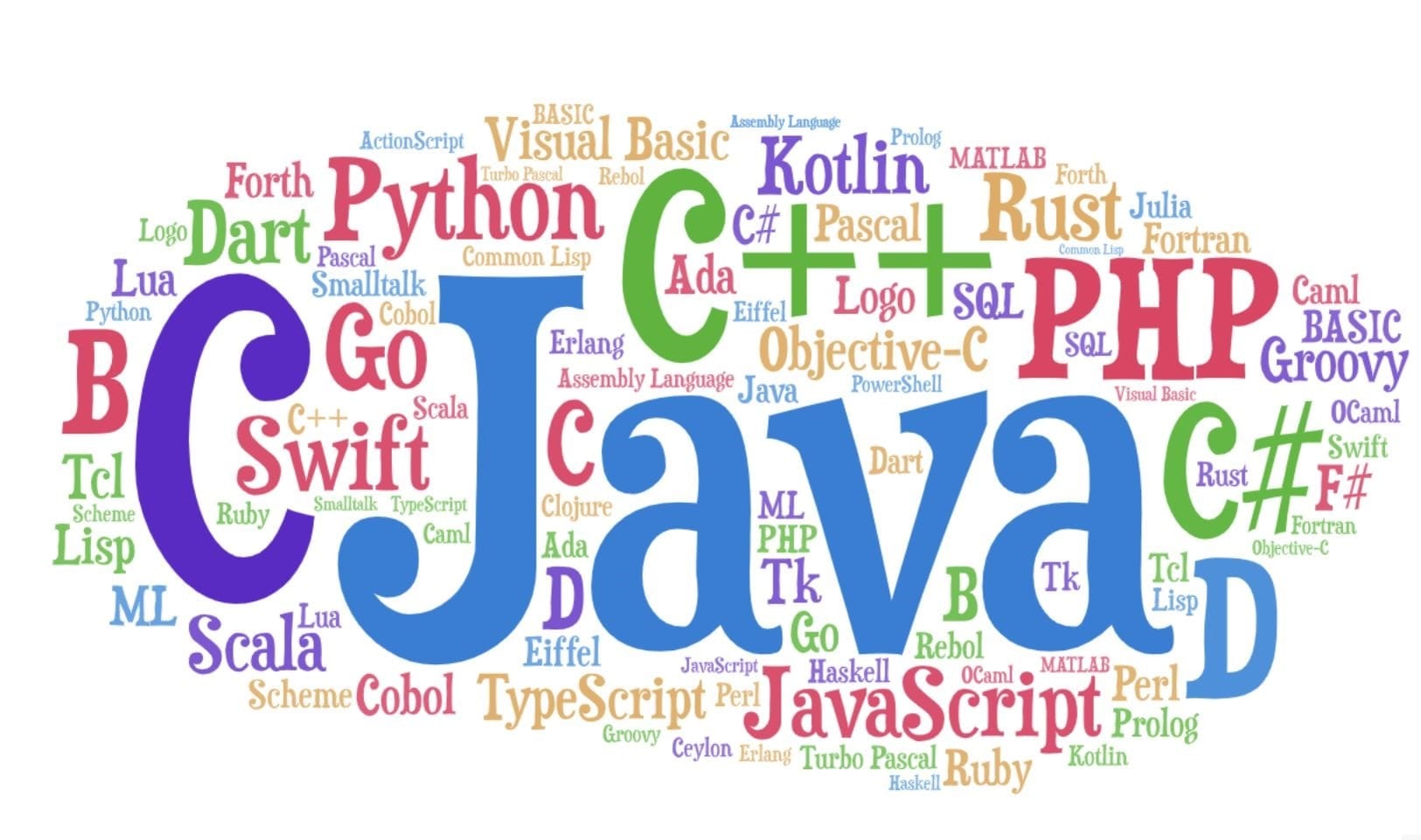
So what is your end objective, and which computer/programming language do you think is best suited for it. Choose wisely.
https://bridgingpointsmedia.com/top-5-websites-to-promote-a-website-for-free/











1 Comment. Leave new
This was a very meaningful post, so informative and encouraging information, Thank you for this post.